Usina Caeté advocates for the eminent need for attention to the environment. By implementing the Environmental Management System, efficient practices are developed in its enterprises, serving as a benchmark and establishing standardized practices.
Today, environmental awareness has become a demand of the new consumer society, where the practice of sustainability in production holds great added value for its product and brand.
The adoption of an environmentally sound management serves as an example to other companies and future generations. With a vision for environmental, economic, and social sustainability, Usina Caeté and its units were certified by the National Agency of Petroleum, Natural Gas and Biofuels (ANP), allowing for the issuance and commercialization of Decarbonization Credits (CBIOs) under the RenovaBio Program.
ALAGOAS – In total, the Alagoas units amount to 12,000 hectares designated for permanent preservation and legal reserve. Furthermore, several environmental education projects have been implemented in partnership with non-governmental institutions and public agencies, reinforcing the commitment to socio-environmental responsibility.
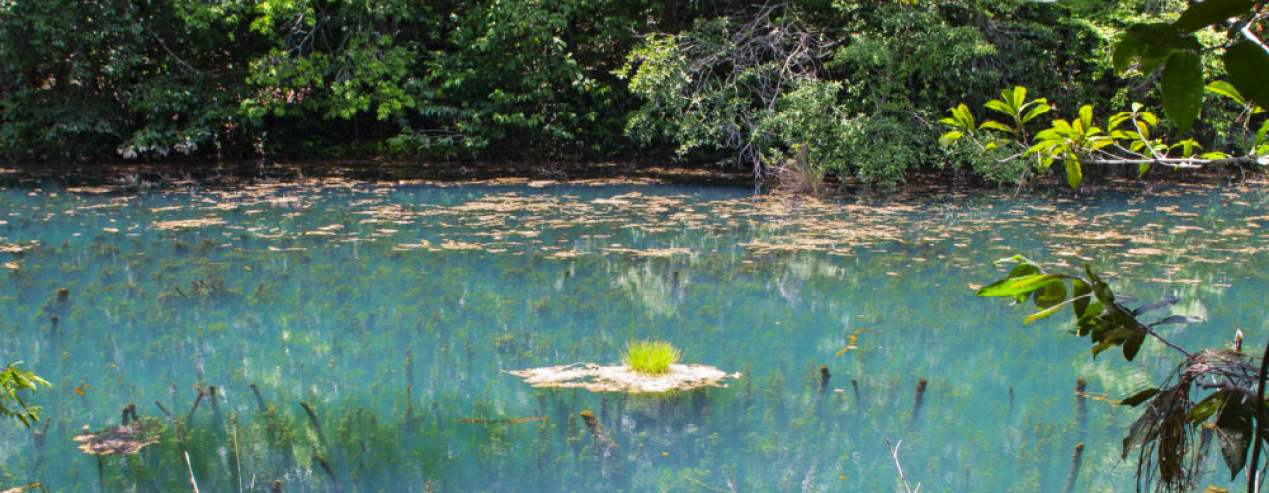
The creation of seven Private Reserves of Natural Heritage (RPPNs), duly registered and approved by the Environmental Institute of the State of Alagoas (IMA/AL), demonstrates this permanent commitment to the environment.
RPPN Salvador Lyra, of Usina Caeté S/A, Headquarters. Located at the Iguape farm, in São Miguel dos Campos/AL, the unit has 45.04 hectares.
RPPN Conceição Lyra I, II, III, and IV, located at Usina Caeté S/A – Marituba Unit, in Igreja Nova/AL, has an area of 1,340 hectares.
RPPN Apolinário. With an area of 120 hectares, the unit is located at Usina Caeté S/A – Cachoeira Unit and, together with the RPPN Senador Carlos Lyra, of 396 hectares, totals 516 hectares of preserved area.
At the Paulicéia Unit, in São Paulo, environmental education actions are being developed involving employees, public school students, and the community in general.
São Paulo
Since 2010, the company holds the "Green Ethanol" title, a certificate that has been renewed every year. The main objective of the "More Green Ethanol Protocol" is to join forces with the São Paulo sugarcane-energy sector to add more sustainability to the ethanol production chain, advancing beyond the end of burning, in a productive system with positive environmental externalities, in continuity with the activities developed under the Agro-environmental Protocols.
Another important initiative of the company is the creation of environmental reserve areas, where about 450,000 native tree seedlings from the region have already been planted, aiming at the recovery of riparian forests.
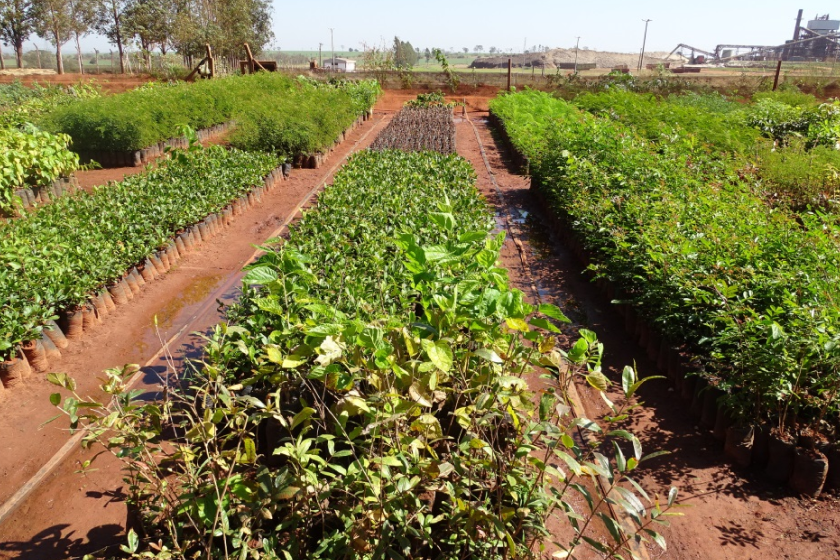
The mill has its own seedling nursery with a capacity of 100,000 seedlings/year of 60 native regional species to meet the restoration demand of its permanent preservation areas and also makes donations to its employees, the local community, schools, and agricultural partners.
In this context, approximately 1 million native tree seedlings have already been planted in Alagoas and São Paulo, with due faunal and floristic monitoring of the preserved areas (forest remnants, riparian forests, and areas under restoration). The initiative aims to support promotion programs, such as the restoration of PPAs and Legal Reserves.
These monitorings are an important tool to diagnose the biological stability of an area, such as the maintenance of biodiversity and the aesthetic values of the landscape, assisting in management decisions and providing indications on important aspects of production sustainability.
Currently, the enterprise records, in its area of operation, 27 species of medium and large-sized mammals, with emphasis on the cougar (Puma concolor), a top-of-the-chain species, the tapir (Tapirus terrestris), an important seed disperser, and the marsh deer (Blastocerus dichotomus), the largest deer species in Latin America.
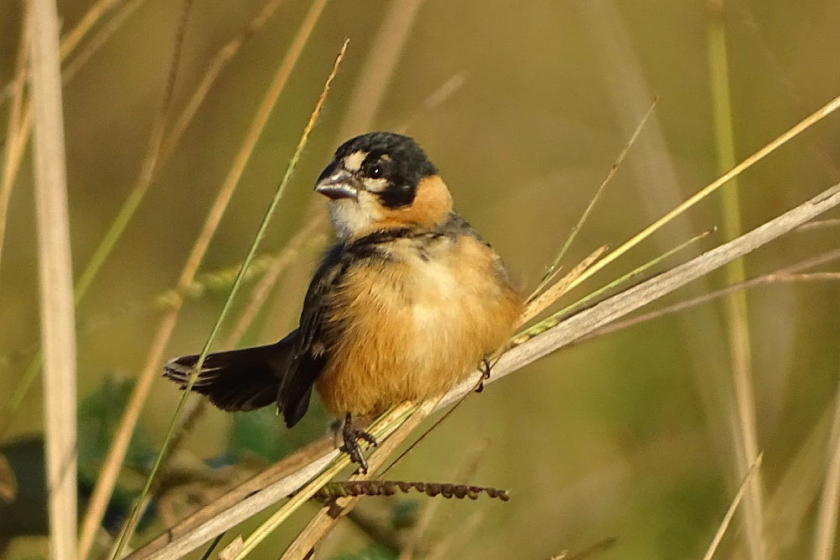
Also indicating the sustainable practice in its crops, 242 species of birds were recorded. Of these, 28 are threatened with extinction in the State of São Paulo. Amphibians and reptiles total 44 species, and in the rivers and streams, 46 species of fish.
Investments
The conglomerate also invested in the industrial complex of Usina Caeté and its Units, with a focus on preserving the environment, such as the Closed Effluent Circuit, Thermal Boiler, and Gas Scrubbers. In the field, the use of filter cake and vinasse contributes to the reduction of chemical fertilization.
Clean technologies are also being adopted with the recycling of sugarcane bagasse biomass for the production of electrical energy, in addition to the reuse of all organic waste generated. It has documented internal procedures for managing the environmental aspects and impacts that may cause damage to the environment, including the monitoring and correct disposal of waste.
This demonstrates that the enterprise carries out agriculture and produces sustainably, maintaining a harmonious link between agricultural, industrial production, and the environment.